How to Stop Eating at Night
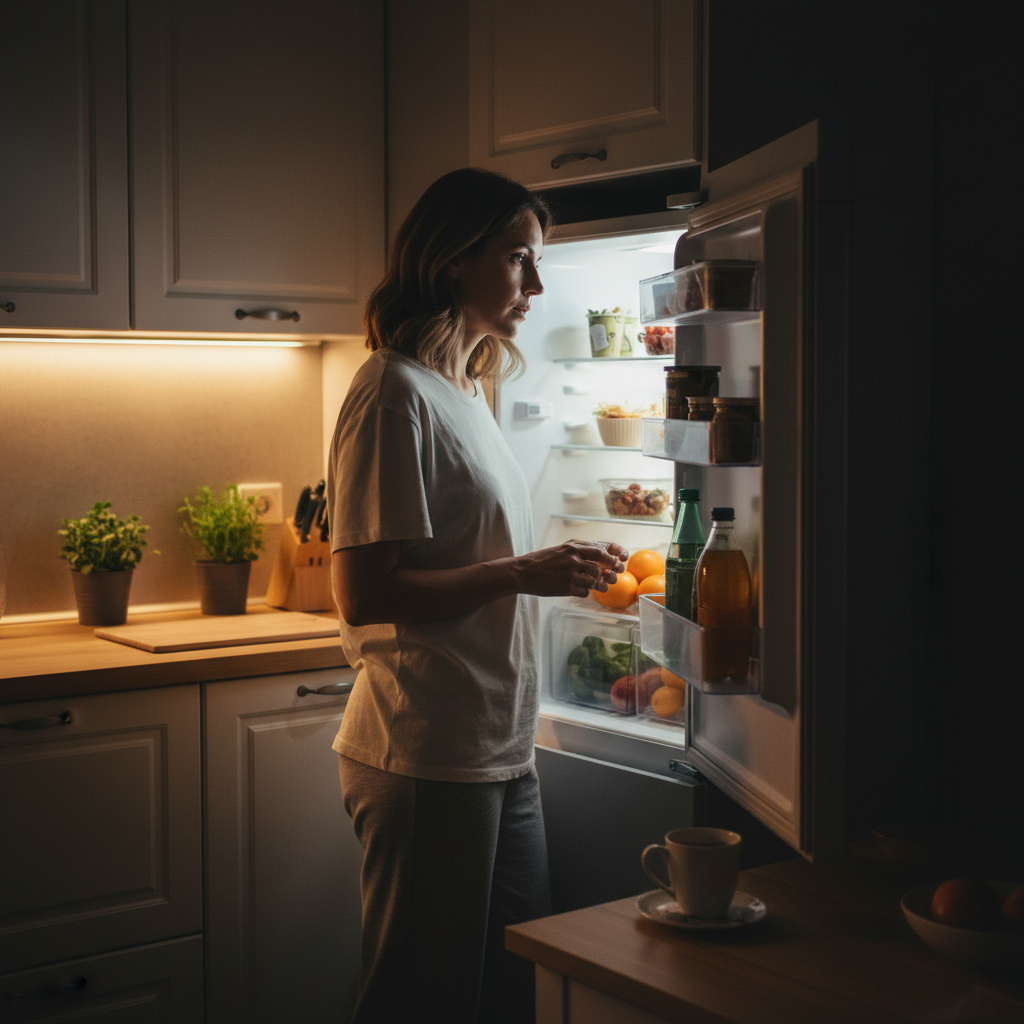
If you are searching for how to stop eating at night, the first step is to understand why evening eating happens. Many women assume that late-night snacking is caused by a lack of willpower, but the real reasons are often more complex. You may be physically hungry because you have skipped meals, eaten too little during the day or followed a restrictive diet. You may also be eating because you feel stressed, bored, tired, lonely or finally have time to relax.
One of the most effective ways to stop eating at night is to look at what you are eating earlier in the day. Skipping breakfast, having a very light lunch or avoiding carbohydrates can leave you extremely hungry by the evening. Regular meals containing protein, fibre, vegetables and satisfying carbohydrates can help reduce late-night cravings and make it easier to feel in control around food.
It is also important to identify whether you are experiencing physical hunger or emotional hunger. Physical hunger usually develops gradually and can be satisfied by a range of foods. Emotional hunger often appears suddenly and creates a strong desire for a specific comfort food, such as chocolate, biscuits, crisps or ice cream. Before reaching for food, pause and ask yourself whether you need nourishment, comfort, rest or relief from stress.
Evening eating can also become part of a routine. You may automatically snack while watching television, after putting the children to bed or when finishing work. These habits can become strongly linked to a particular time, place or activity. Changing the routine can help. You might prepare a planned evening snack, make a hot drink, go for a short walk, take a shower or move to another room when the urge to snack begins.
Trying to ban all food after a certain time is not always helpful. Strict rules can increase food cravings and create an all-or-nothing mindset. If you break the rule once, you may feel that the entire day has been ruined. A more sustainable approach is to plan what you will eat, choose a balanced snack if you are hungry and avoid turning one difficult evening into a week of overeating.
Poor sleep can also increase evening food cravings. When you are tired, it can be harder to make balanced choices, and sugary foods may feel more appealing. Creating a consistent bedtime routine, reducing screen time and giving yourself time to unwind may help reduce late-night snacking.
Keeping a food-and-mood diary can help you understand your evening eating patterns. It can also show whether particular foods, workdays, social situations or menstrual changes are connected to stronger cravings. Review the diary without judgement and look for repeated causes rather than isolated mistakes. Write down what you eat, when you eat, how hungry you feel and what emotion you are experiencing.
Learning how to stop eating at night is not about becoming perfect. It is about understanding your habits, reducing excessive hunger and finding better ways to respond to emotional triggers. The Whole Food Hero supports women who want to manage evening eating, emotional eating and food cravings through practical nutrition coaching and sustainable habit change.
If late-night eating is affecting your weight, confidence or relationship with food, book a discovery call with Edel Owens and learn how a structured, supportive approach can help you feel more in control.
Small improvements repeated consistently are more effective than strict rules that leave you feeling deprived, guilty or unsuccessful around food.