Am I an Emotional Eater? 10 Signs You Use Food to Cope With Feelings
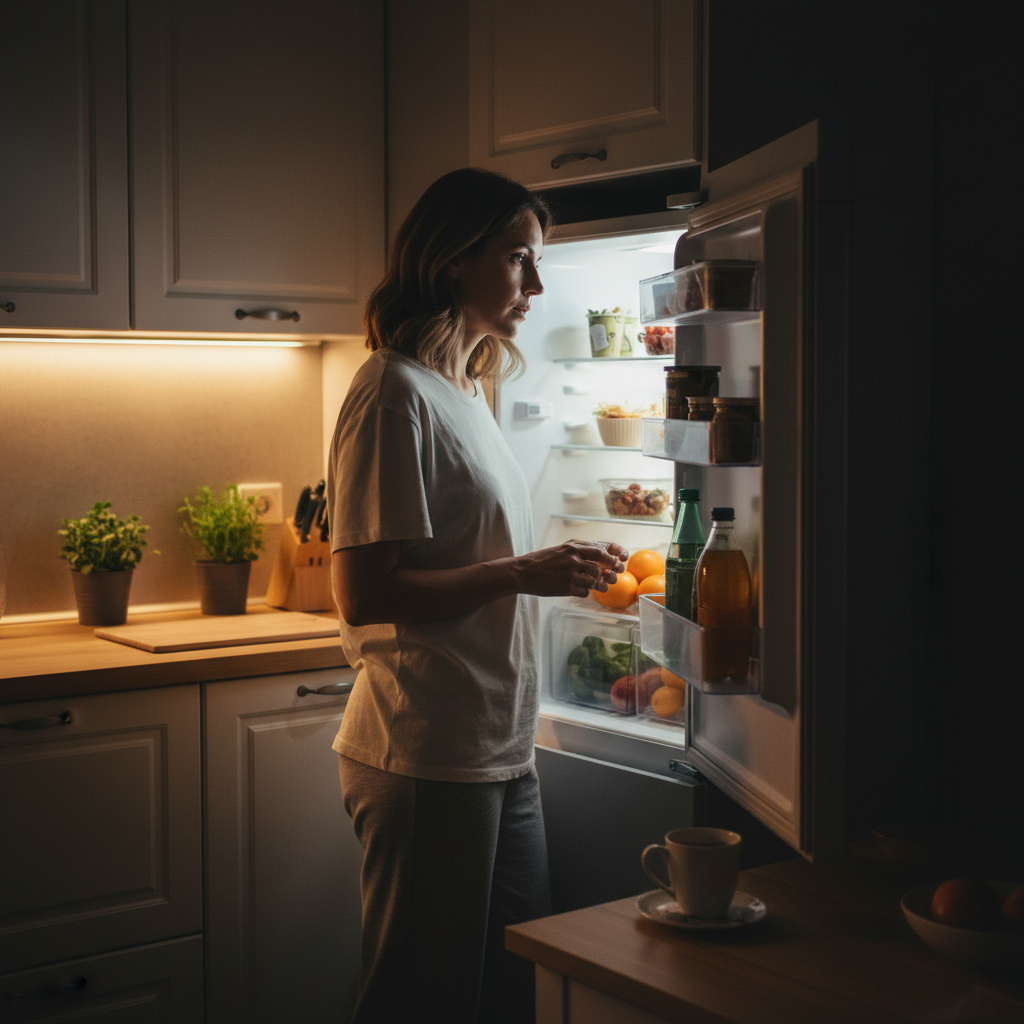
Sound familiar?
Emotional eating is one of the most common struggles I see in my practice, particularly among women over 35. And here’s the thing: most of us don’t even realise we’re doing it.
We’ve been conditioned to believe that overeating is simply a lack of willpower. But emotional eating has nothing to do with willpower. It’s a coping mechanism, a way your brain has learned to deal with uncomfortable feelings.
The good news? Once you can recognise the signs, you can start to change the pattern.
What Is Emotional Eating?
Emotional eating is using food to soothe, suppress, or manage emotions rather than to satisfy physical hunger. It’s reaching for chocolate after an argument. It’s finishing a packet of biscuits while scrolling through your phone, barely tasting them. It’s eating when you’re bored, lonely, anxious, or even happy.
Food becomes the solution to a problem that isn’t hunger.
And while there’s nothing wrong with enjoying food or occasionally eating for comfort, emotional eating becomes problematic when it’s your primary coping strategy, and when it leaves you feeling worse afterwards.
10 Signs You Might Be an Emotional Eater
1. You eat when you’re not physically hungry
You’ve had a stressful day. The kids are finally in bed, the house is quiet, and you find yourself standing in front of the fridge. Not because you’re hungry, but because you need something.
2. You crave specific “comfort” foods
Physical hunger can be satisfied with almost anything: an apple, some leftovers, a handful of nuts. Emotional hunger wants something specific: crisps, chocolate, ice cream, bread.
These foods aren’t random. They’re usually high in sugar, fat, or salt, substances that trigger a dopamine release in your brain and temporarily make you feel better.
3. You eat to “take the edge off”
After a hard day, you tell yourself you deserve a treat. You’re not hungry, but you need something to help you unwind.
This is emotional eating dressed up as self-care. Real self-care addresses the underlying stress; emotional eating just numbs it temporarily.
4. You eat mindlessly
You sit down with a “small” snack and suddenly the whole packet is gone. You eat while watching TV, working, or scrolling on your phone, barely registering what’s going in.
Mindless eating is a hallmark of emotional eating. When we’re using food to cope, we often disconnect from the experience entirely.
5. You feel guilty or ashamed after eating
Physical hunger, when satisfied, leaves you feeling content. Emotional eating often leaves you feeling worse: guilty, bloated, disappointed in yourself.
This guilt can then trigger more emotional eating, creating a vicious cycle.
6. You eat in secret
Do you hide wrappers? Eat differently when you’re alone than when others are watching? Wait until everyone’s asleep to have “your” food?
Secret eating is a strong indicator that you’re using food to cope with something you don’t want to face, or don’t want others to see.
7. You can’t stop even when you’re full
You know you’ve had enough. Your body is telling you to stop. But you keep going anyway.
When emotions are driving your eating, fullness signals don’t register the same way. You’re not eating to fill your stomach. You’re eating to fill a void.
8. You reward yourself with food
Got a promotion? Cake. Survived a difficult meeting? Takeaway. Kids behaved well? Ice cream for everyone.
Using food as a reward isn’t inherently problematic, but when it’s your default way of celebrating or soothing, it reinforces the emotional connection to eating.
9. You feel powerless around certain foods
“I can’t have biscuits in the house. I’ll eat them all.”
This feeling of being out of control isn’t about the food. It’s about what the food represents: a quick, reliable way to change how you feel.
10. Your eating patterns change with your mood
When you’re happy, you eat one way. When you’re stressed, sad, or anxious, everything changes.
If your food choices are dictated by your emotional state rather than genuine hunger and nutrition, emotional eating is likely playing a role.
Why We Become Emotional Eaters
Emotional eating isn’t a character flaw. It’s a learned behaviour, and there are real biological and psychological reasons behind it.
Blood sugar imbalances can create intense cravings that feel impossible to resist. When your blood sugar crashes, your brain screams for quick energy, usually in the form of sugar or refined carbs.
Hormonal shifts, particularly in perimenopause and menopause, can intensify cravings, disrupt sleep, and make emotions harder to regulate.
Gut-brain connection plays a role too. An imbalanced gut microbiome can actually influence your mood and cravings, sending signals to your brain that feel like hunger but aren’t.
Habit loops are powerful. If you’ve spent years reaching for food when stressed, your brain has literally wired that pathway. Stress, then food, then temporary relief. It becomes automatic.
And then there’s “food noise”, that constant mental chatter about what to eat, what not to eat, guilt about what you ate, planning the next meal. For many women, this noise is exhausting and all-consuming.
What You Can Do About It

Recognising emotional eating is the first step. Here’s where to go from there:
Pause before you eat
When you feel the urge to eat, stop for 60 seconds. Ask yourself:
- Am I physically hungry?
- What am I feeling right now?
- What do I actually need?
Sometimes just creating that pause is enough to break the automatic response.
Address the root causes
If blood sugar imbalances, hormones, or gut health are contributing to your cravings, no amount of willpower will fix it. You need to address the underlying biology.
This might mean:
- Eating more protein and fibre to stabilise blood sugar
- Supporting your gut with whole foods and reducing ultra-processed options
- Working with a professional to understand what’s happening hormonally
Find alternative coping strategies
Food works because it changes how you feel, fast. To break the cycle, you need other tools that do the same thing.
This could be a five-minute walk, a cup of tea, calling a friend, journaling, or even just sitting with the uncomfortable feeling and letting it pass.
Be compassionate with yourself
Shame and guilt only fuel emotional eating. They don’t fix it.
You’re not broken. You’ve simply developed a coping mechanism that no longer serves you. With awareness and support, you can build new patterns.
You Don’t Have to Figure This Out Alone
If you’ve been nodding along to this article, I want you to know: this is incredibly common, and it’s not your fault.
I work with women every day who feel trapped in this cycle, women who’ve tried every diet, who feel out of control around food, who are exhausted by the constant mental battle.
The way out isn’t another diet. It’s understanding why you eat the way you do and addressing the root causes: biological, emotional, and habitual.
If you’re ready to break free from emotional eating and finally find peace with food, I’d love to help.
Book a free discovery call and let’s talk about what’s really going on, and how to change it for good.
Edel Owens is a certified Nutrition and Health Coach and founder of The Wholefood Hero. She helps women over 35 end emotional eating and lose weight sustainably, without dieting.